What it is: A new short-term CMS program that lets certain Medicare Part D patients
get a GLP-1 for weight management even though their Part D plan won't cover it.
It runs outside of Part D — separate BIN/PCN, separate claim, separate $50 copay.
It's only for weight management — patients with type 2 diabetes, moderate-to-severe sleep
apnea, or MASH/fatty liver disease should still go through their normal Part D coverage.
Routing the Claim
BIN / PCN
BIN
028918
PCN
MEDDGLP1BR
ID Needed
You need the patient's Medicare Beneficiary Identifier (MBI) — the number on their
red, white, and blue Medicare card.
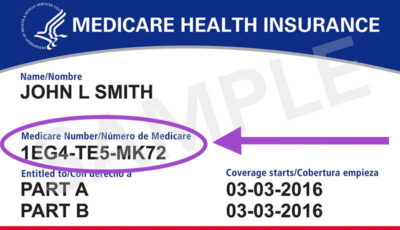
The MBI is the number under "Medicare Number" — not the SSN.
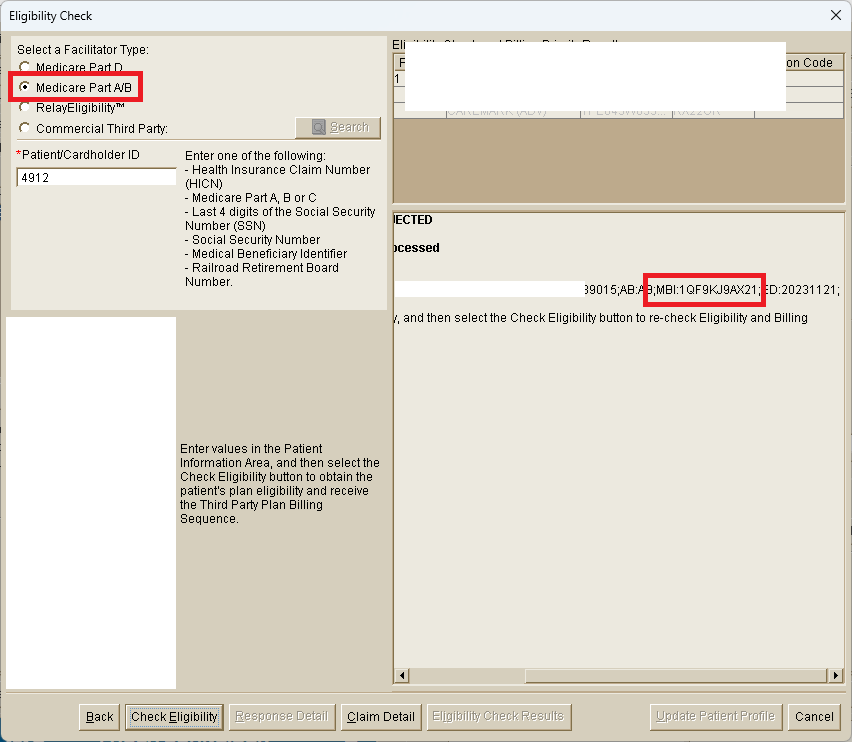
No card on hand? Ask for the last 4 of their SSN to look up the MBI via Eligibility Check.
Cost & Fill Limits
$50
Copay collected from every patient
Even patients with Extra Help (LIS) still pay $50. Doesn't count toward Part D deductible or TrOOP.
1 month
Max supply per fill (28 or 30 days)
Eligible Products
Wegovy®
oral & injectable, all formulations
Zepbound® KwikPen®
KwikPen only
Foundayo®
tablet, all formulations
Not covered: Zepbound single-dose pen or vials — those reject under the Bridge.
⚠ Patient name must match the Medicare card
The claim is verified against Medicare's records, not just your patient profile. If the name on file doesn't match the patient's Medicare card exactly (nickname, maiden name, recent legal name change, etc.), the claim can reject. Update the patient's name in your system to match the card before submitting.
Clinical Criteria (for reference)
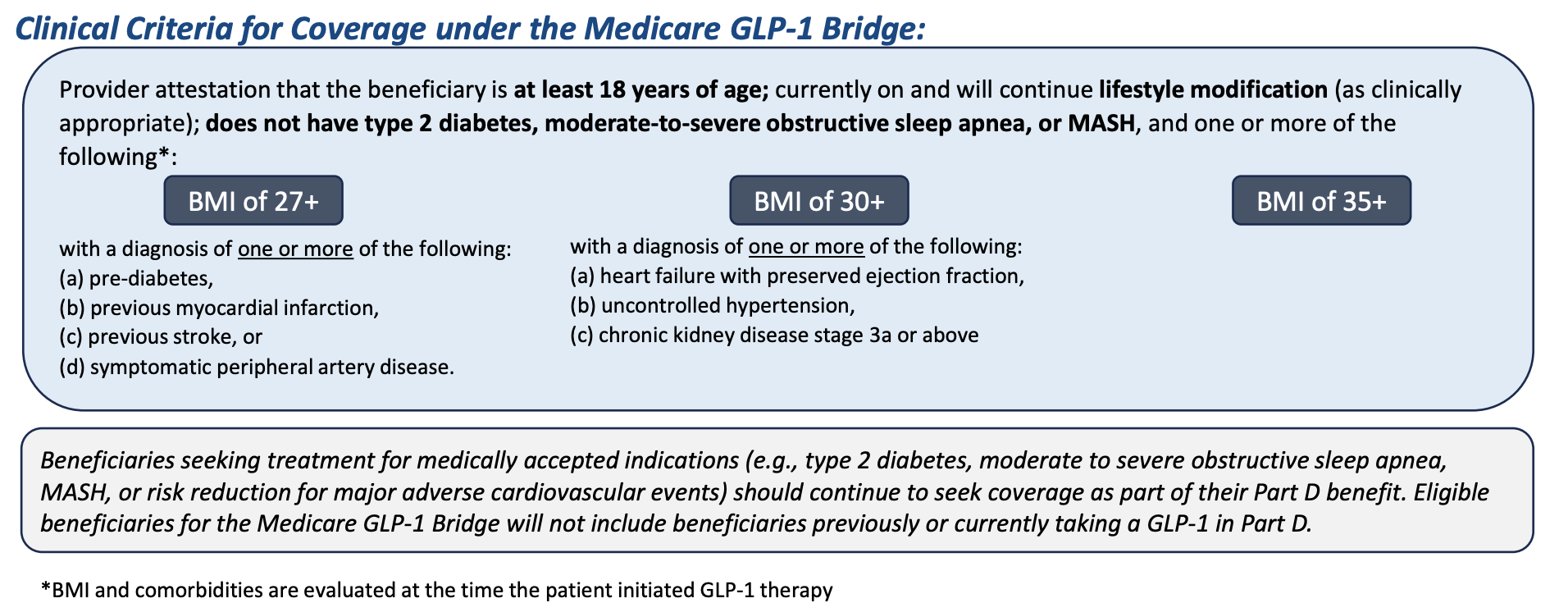
This is determined by the prescriber during prior authorization — pharmacy staff don't need to verify it, but it's useful context for why a claim may be denied or why a prescriber is asked to attest to it.